100% Same
SALT COMPOSITIONMedicine UsageStrength
 50%
50%with substitute medicines
 Salt Composition in both
You Searched
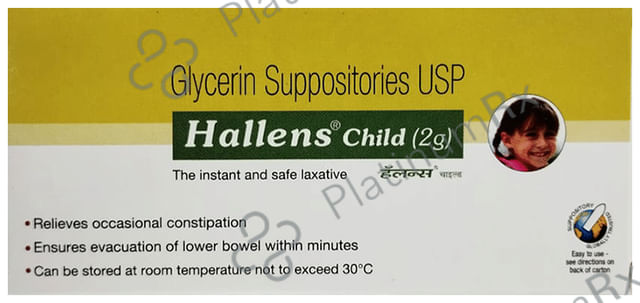
Hallens Glycerin Child 2gm Suppository 5s
Meridian Enterprises Pvt. Ltd.
₹194
Our Recommendation
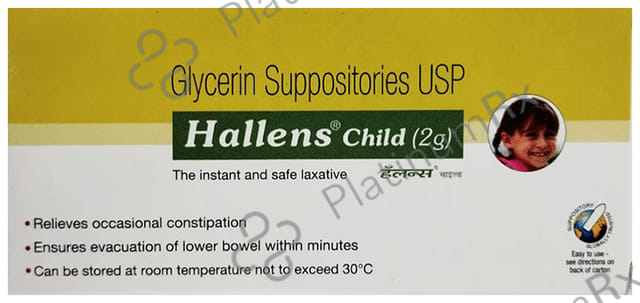
Hallens Glycerin Child 2gm Suppository 7 suppositories
Meridian Enterprises Pvt. Ltd.

136+ trust this

WHO GMP Certified


WHO GMP
Certified

15 Days Easy
Returns

Long Expiry
(>8 Months)

WHO GMP
Certified

15 Days Easy
Returns

Long Expiry
(>8 Months)

Delivery by
Uses of Hallens Glycerin Child 2gm Suppository 5s

Customers also bought

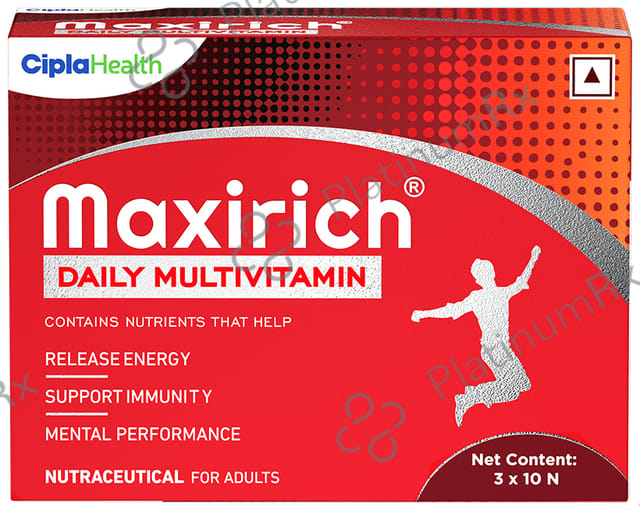
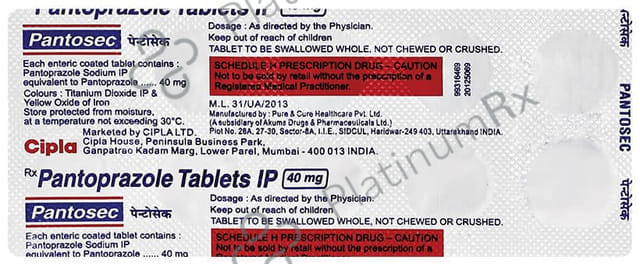
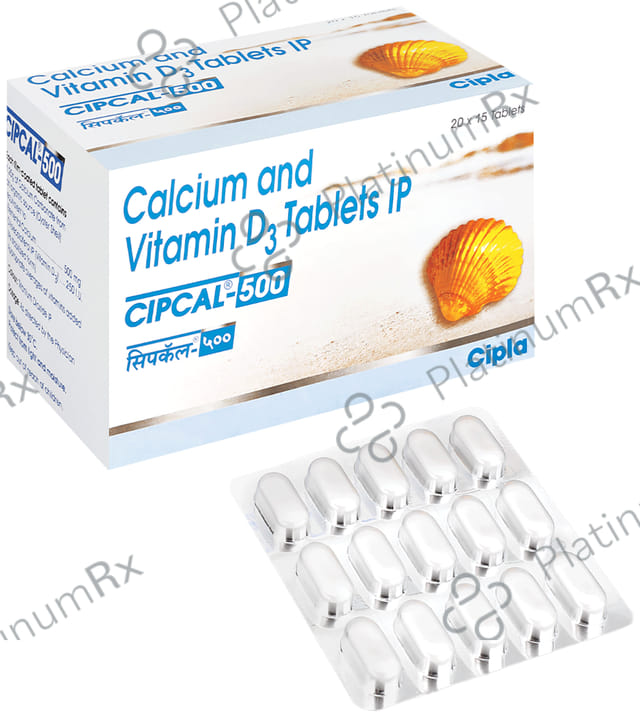
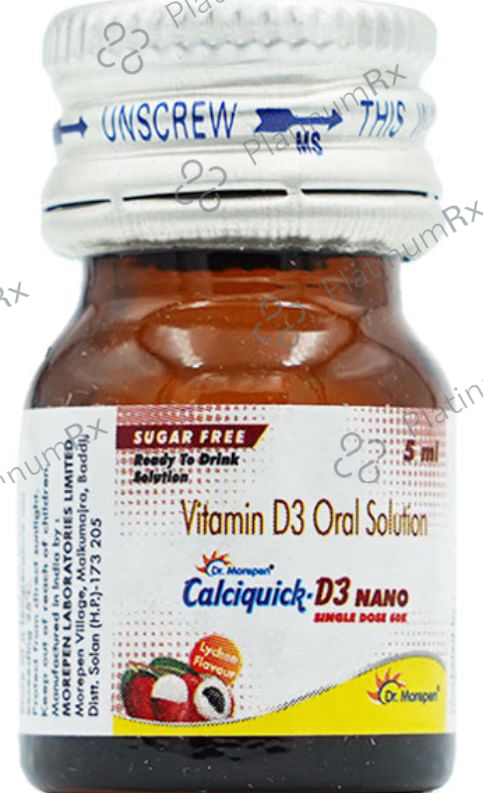
More About Hallens Glycerin Child 2gm Suppository 5s
Quick Summary
Hallens Glycerin Child 2gm Suppository 5s contains glycerol (glycerine), used in medical practice as an osmotic agent, lubricant, and humectant across a range of clinical applications. Depending on the route of administration and formulation, it is used to relieve constipation, reduce raised intracranial pressure, manage glaucoma, and provide skin moisturisation. Always use Hallens Glycerin Child 2gm Suppository 5s exactly as directed by your doctor.
Detailed Description
Hallens Glycerin Child 2gm Suppository 5s contains glycerol, a naturally occurring trihydroxy alcohol with well-established osmotic, lubricant, and humectant properties whose therapeutic applications vary by route of administration.
When administered rectally, glycerol acts as a local osmotic laxative and lubricant, drawing water into the bowel and stimulating rectal contractions to relieve constipation. When given orally or intravenously, it acts as a systemic osmotic agent, reducing fluid accumulation in enclosed spaces such as the brain and eye. Topically, it functions as a humectant, attracting and retaining moisture within the skin.
This versatility makes glycerol useful across gastroenterology, neurology, ophthalmology, and dermatology, often as a supportive or adjunctive agent within broader treatment plans.
Uses of Hallens Glycerin Child 2gm Suppository 5s
The uses of Hallens Glycerin Child 2gm Suppository 5s are as follows:
Constipation
Hallens Glycerin Child 2gm Suppository 5s is used rectally to relieve constipation by softening stool and stimulating bowel movement.
Raised Intracranial Pressure
Oral or intravenous glycerol is used to reduce cerebral oedema in conditions such as stroke or head injury.
Glaucoma
It is used to temporarily reduce intraocular pressure in acute glaucoma management.
Dry and Irritated Skin
Topical glycerol formulations are used to moisturise and soothe dry, flaky, or irritated skin.
Throat and Mouth Dryness
It is used in certain oral preparations to lubricate and soothe dry mucous membranes.
Benefits of Hallens Glycerin Child 2gm Suppository 5s
Here are the benefits of Hallens Glycerin Child 2gm Suppository 5s:
- Effective Osmotic Laxative: Glycerol draws water into the rectum, softening stool and promoting bowel movement without systemic absorption.
- Reduces Intracranial and Intraocular Pressure: Its osmotic action draws excess fluid from the brain and eye into the bloodstream, providing rapid pressure relief.
- Skin Moisturisation and Barrier Support: As a humectant, it attracts moisture to the skin surface, improving hydration and barrier function.
- Well Tolerated Across Routes: Glycerol is generally well tolerated whether used rectally, topically, orally, or intravenously.
- Rapid Onset of Action: Rectal and intravenous formulations act quickly, making glycerol useful in acute clinical situations.
Side Effects of Hallens Glycerin Child 2gm Suppository 5s
Like all medicines, Hallens Glycerin Child 2gm Suppository 5s may cause side effects in some individuals.
Common Side Effects:
- Rectal Irritation: Mild discomfort, burning, or irritation at the site of rectal administration may occur.
- Headache: Mild headache may develop, particularly with oral or intravenous use.
- Nausea: Some individuals may experience nausea with oral formulations.
Uncommon Side Effects:
- Diarrhoea: Excessive laxative effect may occur if used frequently.
- Dizziness: Mild light-headedness may be reported with systemic use.
- Increased Thirst: Osmotic activity may cause mild thirst with oral or intravenous administration.
Serious Side Effects (Require Immediate Medical Attention):
- Severe Dehydration: Excessive osmotic fluid shifts may cause dehydration, particularly in elderly patients.
- Electrolyte Imbalance: Prolonged or high-dose use may disturb sodium or potassium balance.
- Haemolysis: Intravenous glycerol at high concentrations has rarely been associated with red blood cell breakdown.
Always consult your doctor if side effects persist or worsen.
Directions for Use
To ensure safe use:
- Use exactly as prescribed by your doctor.
- Rectal suppositories should be inserted as instructed and retained briefly before effect.
- Oral formulations should be taken with adequate fluid intake.
- Topical formulations should be applied to clean skin as directed.
- Do not use more frequently than prescribed.
How it works
Hallens Glycerin Child 2gm Suppository 5s works through osmotic and humectant mechanisms that vary by route of administration.
Rectally, glycerol creates a local osmotic gradient that draws water into the bowel lumen, softening stool and stimulating peristaltic contractions to promote defaecation.
Orally or intravenously, it raises plasma osmolality, drawing excess fluid from the brain or vitreous humour into the bloodstream and reducing intracranial and intraocular pressure.
Topically, it attracts water molecules to the stratum corneum, improving skin hydration and supporting barrier integrity.
Safety Advice for Hallens Glycerin Child 2gm Suppository 5s

Alcohol
Caution
Alcohol may worsen dehydration risk with systemic glycerol use.

Pregnancy
Caution
Use only if specifically advised, particularly for systemic formulations.

Breastfeeding
Caution
Medical advice is necessary before systemic use during breastfeeding.

Driving
Caution
Dizziness may occur with systemic use.

Kidney
Caution
Use carefully in renal impairment due to altered fluid and electrolyte handling.
Quick Tips for Hallens Glycerin Child 2gm Suppository 5s
A few practical measures can help ensure safe use of Hallens Glycerin Child 2gm Suppository 5s:
- Use the correct formulation for your indication: Rectal, oral, intravenous, and topical formulations are not interchangeable. Always use the form prescribed.
- Stay adequately hydrated: Systemic glycerol has osmotic effects that may increase fluid loss.
- Do not use rectal formulations excessively: Frequent use may reduce natural bowel function over time.
- Apply topical formulations to damp skin: This enhances humectant effectiveness and improves moisturisation.
- Inform your doctor of all conditions: Cardiac, renal, and diabetic patients require closer monitoring during systemic use.
Storage Advice
- Store at room temperature: Keep away from heat and direct sunlight.
- Keep in original packaging: Protect suppositories and topical formulations from heat, which may alter consistency.
- Keep out of reach of children: Store safely to prevent accidental ingestion.
- Check expiry before use: Do not use after the expiry date.
Drug-Food Interaction
- Maintain adequate fluid intake: Particularly important with oral and intravenous formulations to prevent dehydration.
- Avoid excessive alcohol: May compound dehydration and electrolyte disturbance with systemic use.
- Diabetic dietary considerations: Glycerol contributes a small caloric load and should be factored into dietary management.
Interactions with Other Drugs
- Diuretics: Combined use may increase the risk of dehydration and electrolyte imbalance.
- Antihypertensives: Fluid shifts from osmotic action may alter blood pressure response in patients on antihypertensive therapy.
- Insulin and Antidiabetic Medicines: Glycerol's metabolic conversion to glucose may affect blood glucose control.
Drug-Disease Interactions
- Cardiac Disease: Osmotic fluid shifts may worsen fluid overload or cardiac strain in susceptible patients.
- Renal Impairment: Reduced clearance may affect fluid and electrolyte balance during systemic use.
- Diabetes Mellitus: Glycerol is metabolised to glucose and may influence blood glucose levels.
- Dehydration: Pre-existing dehydration may be worsened by the osmotic action of systemic glycerol.
Daily Dose
Dose and frequency depend entirely on the formulation and clinical indication. Always follow your doctor's specific instructions.
What If You Forget to take Hallens Glycerin Child 2gm Suppository 5s?
If a dose is missed, take or use it as soon as remembered, but do not double the dose to make up for a missed one.
Fact Box
Therapeutic Class
Gastroenterology / Neurology / Ophthalmology / Dermatology
Action Class
Osmotic Agent + Humectant + Lubricant
Chemical Class
Trihydroxy Alcohol
Habit Forming
No
Checkout Editorial Policy
Disclaimer
PlatinumRx is committed to providing reliable and accurate information to support informed customer decisions. However, all information made available on the Platform, including product descriptions, comparisons, and other content, is provided solely for general informational purposes. Such information is not intended to diagnose, prevent, treat, or cure any medical condition, nor should it be relied upon as a substitute for professional medical advice, diagnosis, or treatment.
More Medicines By Manufacturer
More Medicines With Salt
Top Selling Medicines
Top Selling Devices
Flat ₹100 off on first app order | Use Code: APP100 |
Flat ₹100 off on first app order
USE CODE: APP100

Download Now


